


Réseau express métropolitain
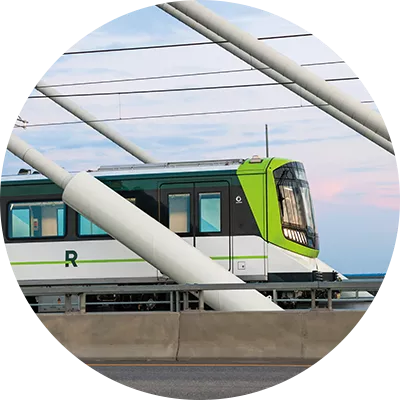
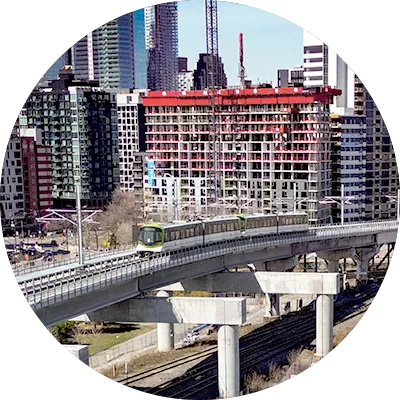
Photo: Alstom C. Fleury
A structuring transportation network
The Réseau express métropolitain (REM) is one of the longest automated metro systems in the world.
With its 26 stations and 67‑km route, this light rail network, which is currently being deployed, is serving an ever-increasing number of areas across Greater Montréal. It contributes to economic development and generates returns for Quebecers.

Anse-à-l'Orme Branch
May 2026
(Video in French only)

Deux-Montagnes Branch
November 2025
(Video in French only)
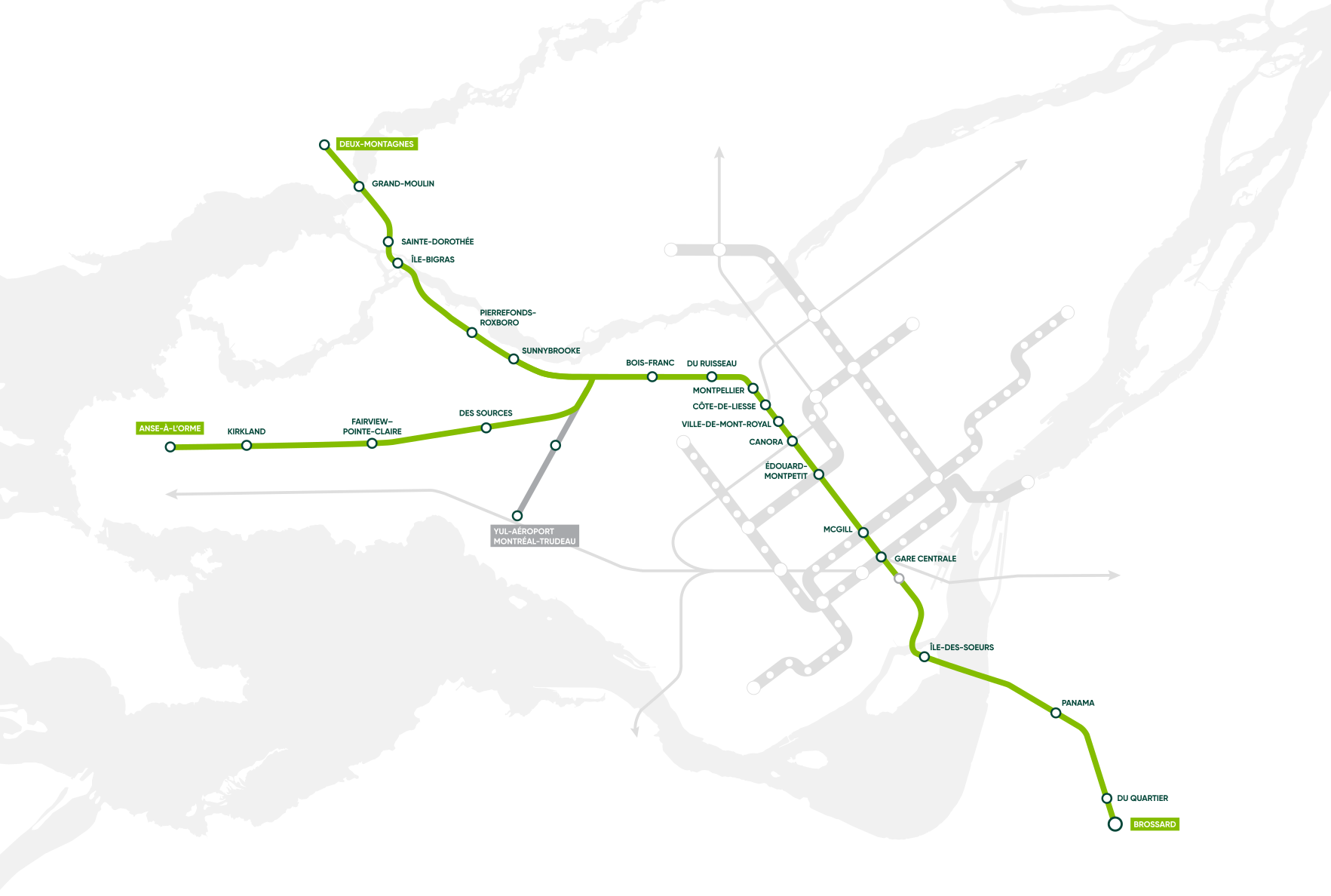
A network that already links Montréal, the South Shore, the North Shore and the West Island
Following the commissioning of the first branch between Brossard and Central Station in July 2023, the network was extended to Deux-Montagnes in November 2025 and Sainte-Anne-de-Bellevue in May 2026.
Once fully deployed, the REM will also provide a link to Montréal-Trudeau International Airport.
64 km
of the network in
23 stations
in service
When you take the REM, you help pay for your retirement.
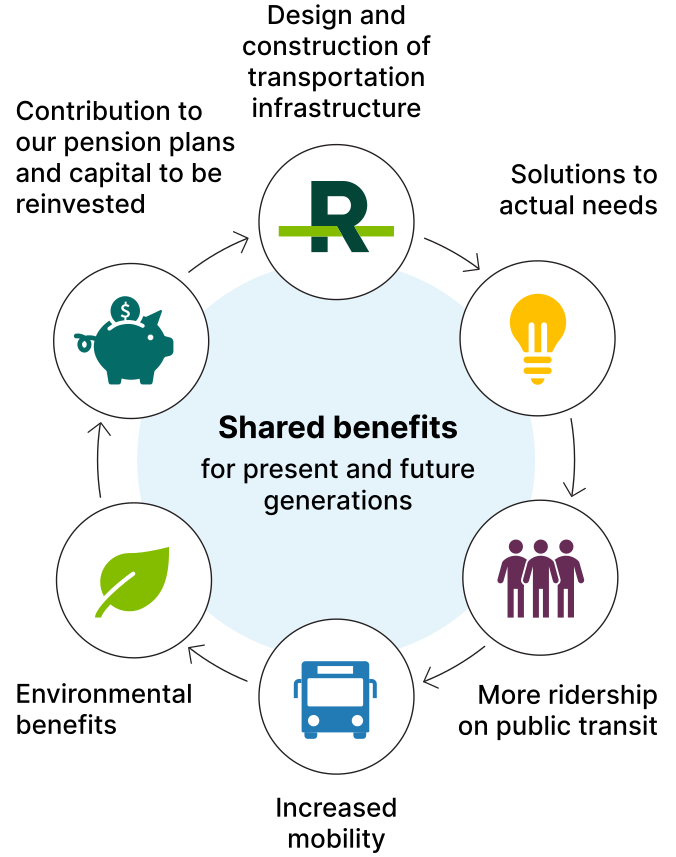
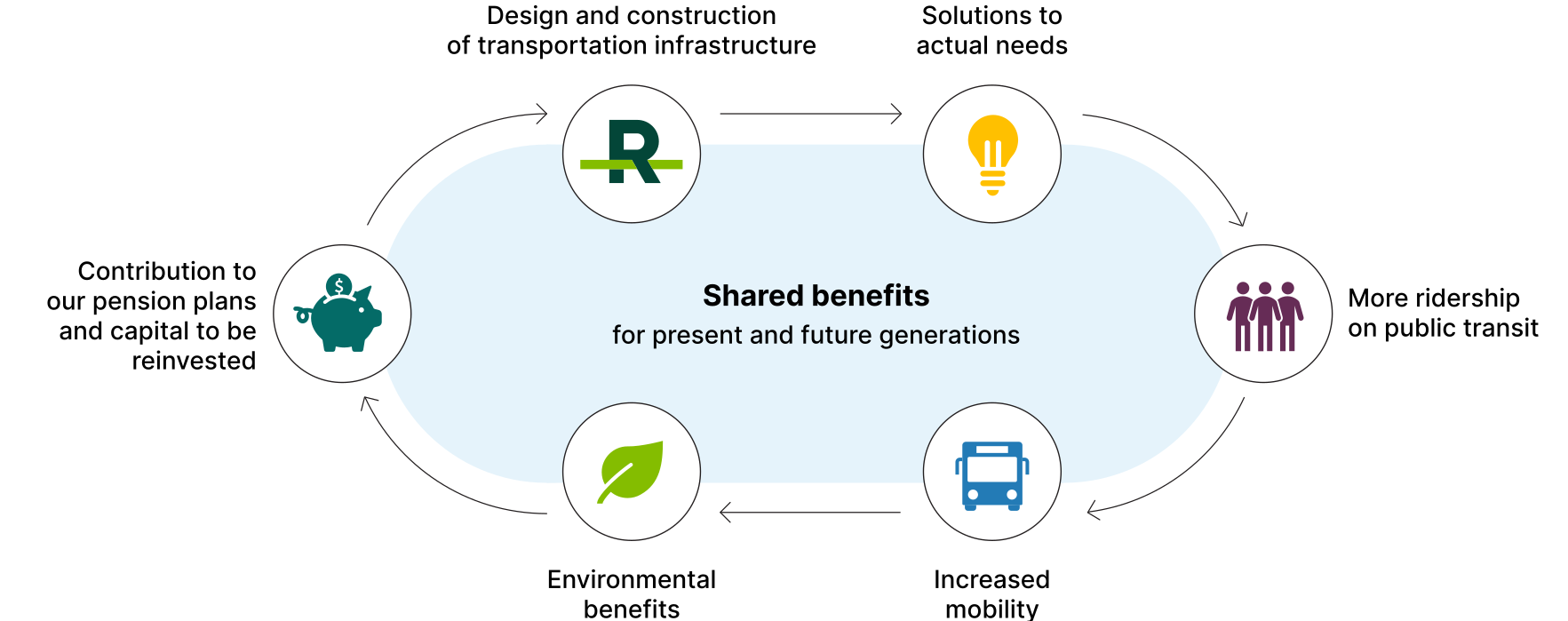
Substantial benefits
This major public transportation project will generate positive benefits for thousands of users, for the city and for Québec as a whole.
Transportation
- Ease of travel
- New connections and service areas
- Increased use of public transit
- Reduced strain on road infrastructure and the associated maintenance costs

Environment
- 100,000 tonnes of CO2 equivalent per year avoided during the first 25
- Four areas of action for environmental compensation: agricultural land, wetlands, forest planting and plant and animal species that are at
Economy
- 89% of construction spending in
- 1,964 Québec suppliers of products and services involved in the project during the construction phase
- Over 19,500 homes built or planned near a station since
Legal note
Documents in this section of the La Caisse’s website are provided solely for historic information and reference purposes and do not represent current or future statements by La Caisse. Information contained in La Caisse’s archived documents reflect the situation as of their date of publication. Archived documents will not be updated or otherwise revised to reflect subsequently available data, current circumstances or changes that occurred after their publication date.