


Our sustainability indicators and commitments
We disclose the results of our actions related to sustainability factors through various documents: the Sustainable Investing Report (SIR), the Sustainable Development Report (SDR) and the Annual Report (AR). We are also governed by a number of sustainability laws, regulations and policies that establish a framework that enables us to carry out our investment activities with rigour, efficiency and transparency. The following tables contain the available indicators and reference documents.
Our indicators
Our commitments
| COMMITMENT | TARGET OR ACTION | REFERENCE DOCUMENT | |
|---|---|---|---|
| 1 | Reach $400 billion invested in climate action by 2030 | Investing to support companies that integrate the climate into their business model Investing in future-oriented climate solutions Net-zero portfolio by 2050 |
2025–2030 Climate Strategy |
| 2 | Commitment to diversity, inclusion and the absence of discrimination | Policy on workplace equity, diversity and inclusion in force Annual action plan for persons with disabilities Statement on equal access to employment |
Policy – Workplace Equity, Diversity and Inclusion 2024 Action Plan for Persons with Disabilities La Caisse Statement on Equal Access to Employment |
| 3 | Presence of channels through which employees can raise issues | Fraud and corruption prevention and detection policy Hotline for employees to report a breach of ethics or a law being broken Policy Against Harassment and Other Forms of Misconduct |
Code of Ethics Policy – Fraud and Corruption Prevention and Detection Policy Against Harassment and Other Types of Misconduct |
| 4 | Public commitment to respect personal data and a general policy on personal data | Information management and security policy in force | Policy – Information and Technology Asset Security Notice of Information Respecting the Protection of Personal Information |
| 5 | Presence of a commitment on international taxation | Commitment to exercise international leadership on responsible taxation | International Taxation Commitment |
| 6 | Existence of a policy against corruption and bribery and analysis of the related risks | Fraud and corruption prevention and detection policy in force | Policy – Fraud and Corruption Prevention and Detection Policy – Financial Security |
| 7 | Commitment related to corporate professional ethics directives | Code of Ethics and Professional Conduct for Officers and Employees in force Code of Ethics and Professional Conduct for Directors in force |
Code of Ethics Code of Ethics for the Board of Directors |
| 8 | Measures implemented to promote ethical behaviour in the organization | Mandatory training upon hiring and annually on subjects covered by the Code of Ethics Commitment made annually and upon hiring to comply with the organization’s ethical standards and to make a declaration of interests |
Annual Report Compliance section Code of Ethics |
| 9 | Executive compensation program linked to executing the sustainable investing strategy | Program that includes meeting climate action targets | Annual Report Sustainable Investing Report – Appendix 4 |
| 10 | Presence of a lobbying policy for our portfolio companies | Policy Governing the Exercise of Voting Rights of Public Companies, which includes lobbying | Policy Governing the Exercise of Voting Rights of Public Companies |
| 11 | Presence of clear policies on the engagement made with our portfolio companies on sustainability issues | Policy on sustainable investing that includes a framework for engagement with our portfolio companies | Policy – Sustainable Investing |
| 12 | Commitment to respect human rights in our investment activities and operations | Human rights policy in force | Policy – Human Rights |
Calculation of the intensity of La Caisse’s portfolio1
Calculation for our investments in companies

 emissions attributed to La Caisse (tCO2e)
to La Caisse
the asset (tCO2e)
LT capital
Long-term capital used by a company to finance its production assets (fair market value of equity + long-term debt).
Emissions
Direct (Scope 1) and indirect (Scope 2) GHG emissions converted into equivalent tons of CO2 (tCO2e), as defined by the GHG Protocol.
Calculation of sovereign carbon intensity
sovereign emissions attributed to La Caisse (tCO2e)
of the sovereign entity (Scope 1)
See more details in Appendix 4.
Emissions attributed to La Caisse are based on an allocation that is proportional to the long-term capital financed, as defined by the global standard for GHG accounting and reporting for the financial sector (the GHG Protocol’s equity-share approach).
Calculation perimeter
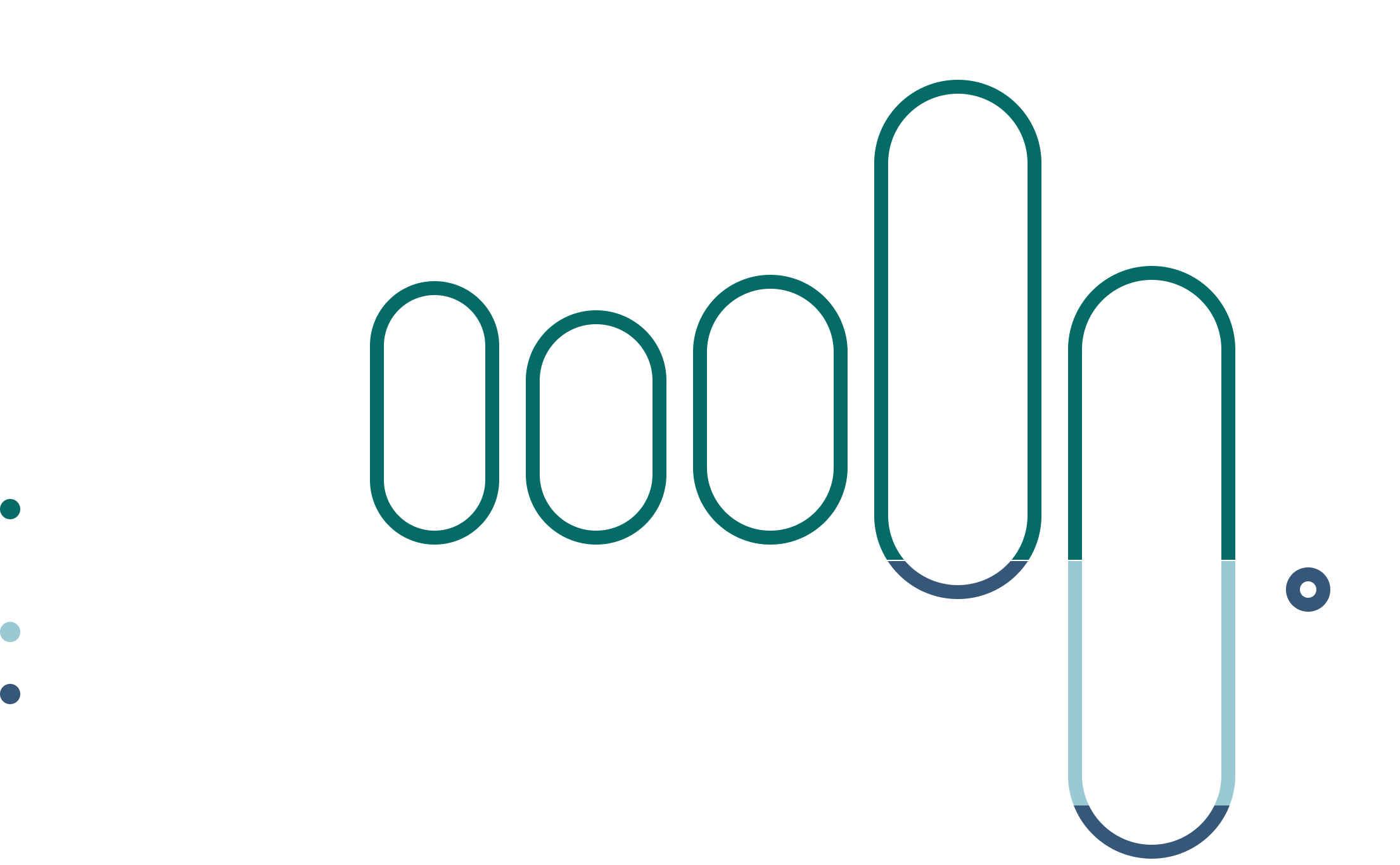
Includes a net value of $498 billion in investments as at December 31, 2025, corresponding to 100% of the portfolio’s securities, including the transition assets previously disclosed separately and those of non-consolidated subsidiaries, in the form of shares, corporate and Crown corporation debt, securities held through market indexes or exchange-traded funds (ETFs), externally managed investments, and securities lending and borrowing (Chart 12).
Excludes a net value2 of investments of $112 billion, as at December 31, 2025, in government bonds, cash, warrants, certificates of deposit, derivative financial instruments, and securities purchased under reverse repurchase agreements.
The investments considered in the footprint calculation are held in the following asset classes and specialized portfolios: Equity Markets, Fixed Income, Private Equity, Infrastructure, Real Estate, and certain investments in shares held in Asset Allocation (Figure 13).
Exposure to natural gas distribution
La Caisse also has limited exposure to the gas distribution sector, primarily through its stake in Énergir, a diversified energy player in which it is the majority shareholder and where 63% of the company’s activities is related to natural gas. Through its investments and presence on the Board of Directors, La Caisse supports Énergir, which is implementing a decarbonization plan initiated in 2020. Each year, Énergir updates its decarbonization trajectory, including in its climate resilience report, in order to take into account changing public policies, technological advances and environmental risks. La Caisse’s exposure to this sector therefore stands at 0.4%, a level that is stable compared with 2024 (0.5%).
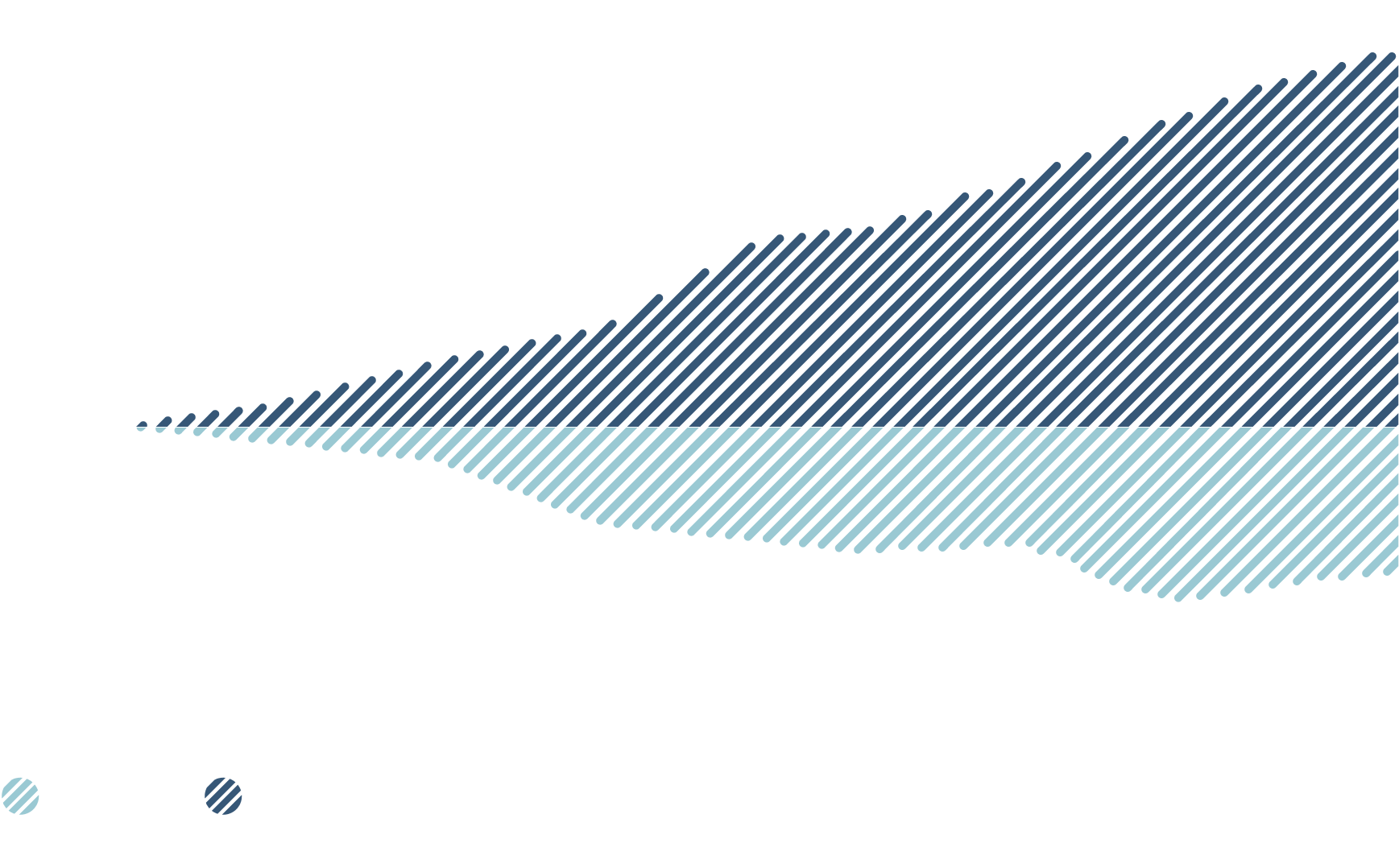
Absolute portfolio footprint (in MtCO2) within the calculation perimeter (in $B)*

Sovereign debt
To meet NZAOA requirements, we calculated the carbon intensity of our sovereign debt portfolio using the Partnership for Carbon Accounting Financials (PCAF) standard. The calculation covers 100% of sovereign securities, with the exception of derivatives. The data used to calculate it are not comparable with those for portfolio intensity. It is therefore treated separately (more details in Appendix 4).
1. The intensity of La Caisse’s portfolio represents its Scope 3, Category 15 emissions, i.e. its financed emissions, as defined by the GHG Protocol. They represent almost all of La Caisse’s total emissions, but exclude operational emissions.
2. Gross value of La Caisse’s assets, net of short positions (excluding net negative positions).
La Caisse calculates its carbon footprint on the vast majority of its portfolio

Sources of data
A) Direct interests
La Caisse primarily uses the Trucost database to collect Scope 1 and 2 emissions data on individual emitters. Combined with LT capital data from the Compustat and Bloomberg databases, this forms the foundation of our calculations of individual issuers’ intensity and average sector intensity.3
Our approach is as follows:
| La Caisse’s methodology | |
|---|---|
| In order of priority: | |
| 1 | Direct intensity calculated for the issuer |
| 2 | Direct intensity calculated for the parent of the issuer |
| 3 | Average sector intensity |
| Methodology for the real estate portfolio | |
|---|---|
| In order of priority: | |
| 1 | Direct intensity calculated by La Caisse for the property4 |
| 2 | Average intensity of the Real Estate portfolio |
Note that, in certain instances, La Caisse uses judgment to override the intensity assigned through the typical methodology if more accurate or relevant data are available.5 For example, this may be the intensity disclosed by the issuer, the intensity of comparable issuers with a similar GHG profile, the average intensity of a sector that more accurately represents the issuer or the intensity estimated using another reliable source.
3. La Caisse relies on the most recent emissions data from Trucost. To ensure the quality of the data used, an internal threshold is established to determine at what point these data are deemed too out-of-date for calculations of individual issuers’ intensity and average sector intensity. Where available, we use LT capital data as at December 31, 2025. Failing that, the most recently available data are used.
4. The real estate portfolio incorporates into its intensity calculation the Scope 1 and Scope 2 GHG emissions of the property, including tenant-related emissions, multiplied by the percentage of equity holding of La Caisse. The denominator used in the calculation represents La Caisse's value of investment in the property as of the closing date of the period covered by the intensity calculation.
5. Where data relative to the footprint are not available on Trucost but are otherwise available, Scope 2 GHG emissions are included by using the approach with the highest value between the market-based approach and the location-based approach, so as not to underestimate the carbon intensity of the companies in the portfolio. For unlisted companies, particularly in the Infrastructure portfolio, when total debt or total equity, according to the most recent balance sheet, cannot be obtained at the date of the carbon intensity calculation, but the value of the company and the net debt are available from La Caisse’s investment teams, net debt is used as a proxy for total debt, and equity is calculated as the company value less net debt.
B) Indirect interests
Where the data are available, the intensity of funds is calculated according to the typical methodology applicable to direct holdings. Where data are not available, La Caisse uses the intensity of the fund disclosed by the manager or the average intensity of the sector or asset class appropriate to the nature of the fund.
Data quality score related to the carbon intensity of La Caisse’s portfolio, including the transition envelope
Methodology developed by La Caisse and based on the PCAF| DATA QUALITY |
DEFINITION | DATA TYPE |
SHARE OF ABSOLUTE FOOTPRINT (%) (Scopes 1 and 2 emissions)4,5 |
SHARE OF EXPOSURE (%) (Scope 3 emissions) |
|
|---|---|---|---|---|---|
| 1 |
|
Disclosed |  57% 57% |

|
 17% 17% |
| 2 |
|
Disclosed | 18% |
 11% 11% |
|
| 3 |
|
Disclosed/estimated |  6% 6% |
 0% 0% |
|
| 4 |
|
Estimated |  14% 14% |

|
8% |
| 5 |
|
Estimated |  5% 5% |
0% |
|
| N/A |
|
 64% 64% |
Independent practitioner’s assurance report
To the Management of la Caisse de dépôt et placement du Québec
Scope
We have been engaged by la Caisse de dépôt et placement du Québec (“La Caisse”) to perform a limited assurance engagement, as defined by Canadian Standards on Assurance Engagements, hereafter referred to as the engagement, to report on the select performance indicators detailed in the accompanying Schedule (collectively, the “Subject Matter”) for the year ended December 31, 2025, contained in La Caisse’s 2025 Sustainable Investing Report (the “Report”).
Other than as described in the preceding paragraph, which sets out the scope of our engagement, we did not perform assurance procedures on the remaining information included in the Report, and accordingly, we do not express a conclusion on this information.
Criteria applied by La Caisse
In preparing the Subject Matter, La Caisse applied the relevant guidance contained within the Partnership for Carbon Accounting Financials, The Global GHG Accounting and Reporting Standard, Part A: Financed Emissions, Third Edition (“PCAF”) and internally developed criteria, as detailed in the accompanying Schedule (collectively, the “Criteria”). The internally developed criteria were specifically designed for the preparation of the Report. As a result, the applicable subject matter may not be suitable for another purpose.
La Caisse’s responsibilities
La Caisse’s management is responsible for selecting the Criteria, and for presenting the Subject Matter in accordance with that Criteria, in all material respects. This responsibility includes establishing and maintaining internal controls, maintaining adequate records and making estimates that are relevant to the preparation of the Subject Matter, such that it is free from material misstatement, whether due to fraud or error.
EY’s responsibilities
Our responsibility is to express a conclusion on the presentation of the Subject Matter based on the evidence we have obtained.
We conducted our engagement in accordance with the Canadian Standard on Assurance Engagements (“CSAE”) 3000, Attestation Engagements Other Than Audits or Reviews of Historical Financial Information and CSAE 3410, Assurance Engagements on Greenhouse Gas Statements. These standards require that we plan and perform our engagement to obtain limited assurance about whether, in all material respects, the Subject Matter is presented in accordance with the Criteria, and to issue a report. The nature, timing, and extent of the procedures selected depend on our judgment, including an assessment of the risk of material misstatement, whether due to fraud or error.
We believe that the evidence obtained is sufficient and appropriate to provide a basis for our limited assurance conclusion.
Our independence and quality management
We have complied with the relevant rules of professional conduct / code of ethics applicable to the practice of public accounting and related to assurance engagements, issued by various professional accounting bodies, which are founded on fundamental principles of integrity, objectivity, professional competence and due care, confidentiality and professional behaviour.
Our firm applies Canadian Standard on Quality Management 1, Quality Management for Firms that Perform Audits or Reviews of Financial Statements, or Other Assurance or Related Services Engagements, which requires us to design, implement and operate a system of quality management including policies or procedures regarding compliance with ethical requirements, professional standards and applicable legal and regulatory requirements.
Description of procedures performed
Procedures performed in a limited assurance engagement vary in nature and timing from and are less in extent than for a reasonable assurance engagement. Consequently, the level of assurance obtained in a limited assurance engagement is substantially lower than the assurance that would have been obtained had a reasonable assurance engagement been performed. Our procedures were designed to obtain a limited level of assurance on which to base our conclusion and do not provide all the evidence that would be required to provide a reasonable level of assurance.
Although we considered the effectiveness of management’s internal controls when determining the nature and extent of our procedures, our assurance engagement was not designed to provide assurance on internal controls. Our procedures did not include testing controls or performing procedures relating to checking aggregation or calculation of data within IT systems.
A limited assurance engagement consists of making enquiries, primarily of persons responsible for preparing the Subject Matter and related information and applying analytical and other appropriate procedures.
Our procedures included:
- Conducting interviews with relevant personnel to understand the business and reporting process, including the process for collecting, collating and reporting the Subject Matter;
- Undertaking analytical procedures, making inquiries with relevant personnel to obtain explanations for outliers identified, comparing data to underlying source information on a sample basis, and reperformance of select calculations; and
- Checking presentation and disclosure of the Subject Matter in the Report.
We also performed such other procedures as we considered necessary in the circumstances.
Inherent limitations
The Greenhouse Gas (“GHG”) quantification process is subject to scientific uncertainty, which arises because of incomplete scientific knowledge about the measurement of GHGs. Additionally, GHG procedures are subject to estimation (or measurement) uncertainty resulting from the measurement and calculation processes used to quantify emissions within the bounds of existing scientific knowledge.
Non-financial information, such as the Subject Matter, is subject to more inherent limitations than financial information, given the more qualitative characteristics of the Subject Matter and the methods used for determining such information. The absence of a significant body of established practice on which to draw allows for the selection of different but acceptable evaluation techniques which can result in materially different evaluations and can impact comparability between entities over time.
Conclusion
Based on our procedures and the evidence obtained, nothing has come to our attention that causes us to believe that the Subject Matter for the year ended December 31, 2025, is not prepared, in all material respects, in accordance with the Criteria.
March 30, 2026
Montreal, Canada
Schedule
Our limited assurance engagement was performed on the following Subject Matter for the year ended December 31, 2025:
| Performance Indicator | Criteria | Reported Value |
|---|---|---|
| Carbon Intensity of La Caisse’s portfolio, including the transition envelope | Internally developed1 | 28.4 tCO2e/$M |
| Data quality score related to the Carbon Intensity of La Caisse’s portfolio, including the transition envelope: | ||
| Data Quality 1 | Internally developed2 | 57% |
| Data Quality 2 | 18% | |
| Data Quality 3 | 6% | |
| Data Quality 4 | 14% | |
| Data Quality 5 | 5% | |
| Absolute emissions related to La Caisse’s sovereign debt portfolio: | ||
| Without LULUCF3 | PCAF4 | 22.7 MtCO2e |
| With LULUCF3 | 22.1 MtCO2e | |
| Absolute emissions related to La Caisse’s sub-sovereign debt portfolio | ||
| Without LULUCF3 | PCAF4 | 2.4 MtCO2e |
| With LULUCF3 | 2.7 MtCO2e | |
1. Significant contextual information necessary to understand how the data has been compiled, including boundaries and exclusions, have been disclosed in the Report under Appendix 2 and Appendix 4, Section 5.2 of the Report.
2. The internally developed criteria are described in Appendix 2, Table 14 of the Report.
3. Represent land use, land-use change, and forestry.
4. Significant contextual information necessary to understand how the data has been compiled, including boundaries and exclusions, have been disclosed in the Report under Appendix 4, Section 5.3.
Disclosure in accordance with the Canadian Sustainability Disclosure Standards
In 2025, La Caisse conducted an in-depth review of its disclosure to align it with the Canadian Sustainability Disclosure Standards, in particular the CSDS 2 Climate-related Disclosures, recently published by the Canadian Sustainability Standards Board. These standards are based on the international standards established by the IFRS Foundation.
La Caisse is a global investment group that manages over CAD 500 billion. It administers the funds of 48 depositors—mainly pension plans and insurance funds from the Québec public and para-public sectors—representing more than six million people, while contributing to Québec’s economic development.
La Caisse is a long-term institutional investor created and governed by an act adopted by the National Assembly of Québec (Canada), the Act Respecting the Caisse de dépôt et placement du Québec.
It has 2,108 employees, about 90% of whom are based in Montréal, Québec City and Toronto in buildings it owns. It also operates in eight major cities around the world (New York City, London, Singapore, Mexico City, New Delhi, Paris, São Paulo and Sydney), where 287 people work in offices it owns or leases.
In Québec, electricity is mostly hydroelectric and is therefore very low carbon. La Caisse’s Scope 1, 2 and 3.1 to 3.14 emissions are thus minimal (about ten thousand tonnes of CO2e) compared to its financed emissions (Scope 3.15), which exceed 14 million tonnes of CO2e (see details in section 5).
La Caisse’s climate strategy and the vast majority of this appendix focus on its financed emissions (Scope 3.15). The Scope 1, 2 and 3.1 to 3.14 organizational emissions are covered more succinctly, given their low materiality. “Sustainable investing” refers to investments and portfolios (from the selection of an investment to the engagement of portfolio companies and other stakeholders), whereas “sustainable development” applies to the organization’s activities.
Financed emissions (Scope 3.15) are calculated according to the methodology described in Appendix 2 and subject to the limited assurance engagement performed by EY (see Appendix 3)
Scope 1, 2 and 3.1 to 3.5 emissions cover La Caisse's offices in Montréal and Québec City, including CDPQ Infra and Espace CDPQ.
Emissions associated with international business travel (Scope 3.6) cover air and rail travel for all La Caisse, CDPQ Infra and Espace CDPQ employees.
Scope 1, 2 and 3.1 to 3.14 emissions are not covered by EY’s limited assurance engagement.
As a long-term investor, La Caisse aims to position its portfolio companies favourably in order to support their growth. Over the years, it has developed leading-edge expertise in sustainable investing. It ensures that it creates and seizes opportunities by participating in the transition to a sustainable and inclusive economy, in addition to managing risks related to environmental, social and governance factors.
La Caisse has established a Policy – Sustainable Investing that outlines its ambitions, objectives and priorities. It describes the general principles guiding the implementation of the main levers of influence that it uses to achieve its ambitions and communicates La Caisse’s expectations. Lastly, the Policy informs its investment decisions and the efforts deployed to improve sustainability practices of its portfolio companies and external managers.
The Policy – Sustainable Investing covers all sustainability topics. However, some elements are specified by its Human Rights Policy, La Caisse’s International Taxation Commitment, the Policy – Exercise of Voting Rights of Public Companies, the Transition Financing Framework and our 2025-2030 Climate Strategy.
These policies and frameworks apply to all direct investments and guide the approach with external managers.
The risks associated with sustainability factors, in particular those associated with the climate, are integrated into investment decisions in accordance with La Caisse’s risk management principles.
In addition, La Caisse is subject to the Sustainable Development Act and the government of Québec’s Sustainable Development Strategy 2023–2028. These documents guide its institutional approach to sustainable development.
Board of Directors
The Board of Directors approves the policy and La Caisse’s sustainable investing orientations.
The Board of Directors’ Governance and Ethics Committee (GEC) oversees the work related to sustainable investing and submits the resulting analysis and recommendations to the Board. The Committee recommends that the Board approve the policies.
The Board of Directors’ Investment and Risk Management Committee (IRMC) ensures compliance with La Caisse’s risk identification and management process. Its mandate requires it to ensure that climate considerations are taken into account in investment decisions.
Sustainability issues are an integral part of the required competency profile for the Board of Directors as a whole.
Executive Committee
The Executive Committee ensures that mechanisms necessary for compliance with the sustainable investing orientations approved by the Board of Directors are put in place. It also ensures that responsible investment principles are incorporated into portfolio management.
Infrastructure and Sustainability Executive Vice-President group
The Infrastructure and Sustainability Executive Vice-President group ensures that policies with a sustainability theme are applied. It proposes La Caisse’s major sustainable investing orientations for approval by the Board of Directors. It informs strategic reflections on the topic by staying abreast of recent sustainability developments.
The Infrastructure and Sustainability Executive Vice-President group acts as an expert advisor and sets La Caisse’s standards for sustainable investing. It supports, advises and equips investment teams, in particular with integrating sustainability factors into investment decisions, positioning portfolios in the transition to a sustainable economy and engaging with the companies in the portfolio on these issues. It also steers the exercise of La Caisse's right to vote as a shareholder in keeping with its convictions, sustainability priorities and fiduciary duty.
The Infrastructure and Sustainability Executive Vice-President group is responsible for the Sustainable Development Action Plan. It coordinates and collates the work of the Corporate Services teams concerned by the various sustainability factors.
Investment teams
La Caisse’s investment teams comply with sustainability policies and incorporate the principles and orientations in the construction of their portfolios and in their investment strategies. Supported as needed by the Infrastructure and Sustainability Executive Vice-President group, they are responsible for integrating sustainability factors into their decisions and contribute to creating post-investment value by improving portfolio companies’ practices and dialogue with their management.
Risk Management
Amongt its many functions, Risk Management is responsible for assessing and overseeing material sustainability risks as part of the investment process by acting as independent checks and balances. It strengthens the ability to anticipate sustainability risks in portfolio construction and geographic allocation, and contributes to the proactive monitoring of some emerging sustainability risks.
Corporate Services
Corporate Services contribute to implementing the sustainability policies as well as the components of the Sustainable Development Action Plan 2023–2028 to meet targets based on their areas of expertise and organizational responsibilities.
Sustainable investing policies are reviewed by the Board of Directors at least every three years.
The Infrastructure and Sustainability Executive Vice-President group reports on sustainability issues to the GEC every six months. Implementing the climate strategy and tracking targets are part of quarterly reporting to the Executive Committee (EC).
The specialized portfolios report on their portfolio, including sustainability issues, in particular the climate, to the IRC and IRMC every six months.
The Sustainable Development Action Plan is reported in La Caisse’s annual report.
Climate change is one of the most critical systemic challenges facing the global economy today, with a direct impact on financial stability, company performance and the resilience of investment portfolios.
The intensification of extreme weather events and rising costs associated with natural disasters and supply chain disruptions are evidence of the increasing materiality of climate risk.
At the same time, the transition to a low-carbon economy is fundamentally redefining industrial sectors, with new winners emerging—clean technologies, energy efficiency, sustainable infrastructure—while weakening traditional fossil fuel-dependent models.
A major global institutional investor such as La Caisse must take these factors into account in order to seize promising long-term investment opportunities and protect itself from physical, regulatory, technological and reputational risks that could potentially affect the long-term value of assets.
Fully integrating the climate into capital allocation, financial analysis and shareholder dialogue is a key lever for protecting future returns, seizing transition opportunities and playing a responsible role in transforming the economy.
In 2017, La Caisse was one of the first major global institutional investors to adopt a climate strategy for its entire portfolio. This strategy aimed to integrate the climate into investment decisions, increase its low-carbon investments and reduce the carbon intensity of its portfolio.
In 2019, La Caisse also announced its ambition to hold a net-zero portfolio by 2050, with a focus on decarbonizing the real economy, and co-founded NZAOA.
In 2021, after exceeding the targets set in 2017, La Caisse raised its ambition by setting the following objectives:
- $54 billion in low-carbon investments by the end of 2025
- 60% reduction in the carbon intensity of the portfolio by 2030 (versus 2017); this target is science-based in accordance with a 1.5 °C scenario with no or limited overshoot, as prescribed by NZAOA (Target Setting Protocol, section T11)
- $10 billion in investments in high-intensity sectors with a view to financing their transition in accordance with rigorous targets
- Exiting from oil production, including extraction and refining, to avoid contributing to the growth of the global oil supply
Between 2017 and 2024, La Caisse more than tripled its low-carbon investments (from $18 billion to $58 billion), reduced the carbon intensity of its portfolio by 69% (outside the transition envelope) and invested $6 billion in decarbonizing large emitters. It exceeded the targets it had set.
Since the launch of its first climate strategy in 2017, the fight against climate change has advanced, but not enough. Physical risks increase with the growing concentration of greenhouse gases (GHGs) in the atmosphere. Assessing transition risk is more complex due to the variability of public policies in terms of geographies and timing. These challenges require investors to take a different approach.
In 2025, La Caisse unveiled a new phase of its 2025–2030 Climate Strategy in order to accelerate the decarbonization of companies and the economy. It is now aiming for $400 billion invested in climate action by 2030.
La Caisse’s climate action seeks to generate optimal returns, while supporting the transition from the real economy to lower carbon and climate resilience. This more ambitious approach is better aligned with La Caisse’s long-term objective of seizing attractive investment opportunities in the context of the energy transition while having a greater impact on decarbonizing the real economy. It sets out that decarbonizing the portfolio is the result of portfolio companies decarbonizing rather than the selection of less-emissive assets. Climate risk management, proactive corporate engagement and ongoing dialogue with governments, regulatory bodies and civil society are central to the success of this approach.
Climate action includes:
- Investments in climate solutions:
- Low-carbon assets
- Adaptation or resilience solutions
- Nature-based solutions
- Climate solution enablers
- Investments in companies undergoing decarbonization at three levels: committed, aligning and fully aligned.
The approach is detailed in La Caisse's Transition Financing Framework. In addition, the target to reduce the portfolio’s carbon intensity by 60% by 2030 (versus 2017), which is aligned with science, according to the NZAOA Target Setting Protocol was maintained.
Sectoral restrictions
La Caisse’s investment approach is anchored in its long-term orientation and prioritizes investments that will contribute to building more solid, more sustainable companies. It supports them in the transition to sustainable business models and tends not to invest in economic activities that are short-sighted or untenable for society and the environment in the long term. In this context, La Caisse supports or excludes investments in certain sectors where activities are detrimental to the climate transition:
Coal
- Since 2020, as a member of NZAOA, La Caisse is committed to complying with the conditions set out in the Alliance Thermal Coal Position document:
- No investments in or financing of new power generation projects that use thermal coal
- Withdrawal from projects or companies that are not aligned with a 1.5 °C decarbonizing trajectory by 2030 in industrialized countries and by 2040 in emerging countries
- In 2021, La Caisse also joined the Powering Past Coal Alliance (PPCA), an organization consisting of sovereign states and subnational governments, companies and organizations working to advance the transition from coal to renewable energies.
- That same year, it went further by excluding thermal coal extraction and coal-fired electricity generation, except when these assets set targets aligned with the Paris Agreement.
Oil
- Since 2021, oil production, including extraction and refining, and investment in or financing of new pipelines are also among the investment exclusions.
These frameworks cover both public and private companies, as well as projects involving these activities. As part of our investment process, the role that each component of the energy value chain plays in the transition is analyzed.
Since 2017, La Caisse’s climate strategy has been integrated into all of the organization’s activities. To that end, many teams have been mobilized, including:
- Investment and portfolio construction
- Risk Management
- Digital Technology (supply and analysis of climate data, processes automation)
- Finance and Operations (data quality and reporting, green bond issuance)
- Talent and Performance (training, calculation of variable compensation)
- Public Affairs
- Depositor Advisory Services (education, information and reporting)
Each year, all the teams—Investment and Corporate Services—must incorporate into their business plan, based on their area of responsibility, considerations related to sustainable investing, including the climate and, where applicable, sustainable development.
Corporate Services—in particular, Risk Management, Finance, Legal Affairs, Compliance and Secretariat, Digital Technology, Talent and Performance, and Public Affairs—meet regularly to ensure that the operational risks related to the climate strategy are controlled and managed like all other risks.
Link with compensation
Sustainable investing is one of the central pillars of La Caisse’s strategy. Since 2018, it has set up a link between the achievement of sustainability objectives and variable compensation for employees.
This now takes two forms:
- Long-term variable compensation for all senior employees—including senior management—starting at the Director level for investment teams and Senior Director for Corporate Services, is linked to the achievement of two objectives, and the terms are approved by the Board of Directors’ Human Resources Committee.
- (i) Achieving climate action investment targets
- (ii) Implementing organizational changes to strengthen and expand the sustainable investment culture within the organization
- These terms are approved by the Board of Directors’ Human Resources Committee.
- The Investment teams and Corporate Services’ dashboards include sustainability objectives. The achievement of these objectives affects the team’s annual performance review as well as the variable compensation envelope attributed to the team, thus impacting the variable compensation of all the employees involved.
Investment strategy
The investment teams are responsible for all aspects of their individual investments and the management of their portfolio.
They incorporate La Caisse’s climate strategy into their portfolio construction, strategic plans and investment decisions, while taking into account the characteristics specific to each asset class and its various segments. They also identify investment opportunities related to energy transition and climate change, both directly and indirectly, in particular through La Caisse’s business partners, including external managers, to whom its objectives are communicated.
Investment process
The investment teams follow an investment process tailored to the specific characteristics of their asset class (e.g. liquid assets, direct private assets, co-investments, funds), the size of the investment and the risk profile of each file.
The relevant sustainability factors are systematically defined in each case. Factors that are considered material are thoroughly analyzed and taken into account in the investment decision.
The analysis framework namely assesses the following, for each file:
- The quality of a company’s practices with respect to the sustainability factors identified as material within its industry
- The level of sustainability risk associated with the industrial sector
- The resiliency of a company’s products and business model in a changing environment, including with respect to sustainability issues, such as the energy transition
Physical and transition risk issues are addressed within this framework. In this respect:
- The assessment of the quality of the company’s practices takes into account physical risk management and its decarbonization plans
- The analysis of business model resilience in a transition context is very important. It deals with climate opportunities—such as renewable energy and its entire value chain, or goods or services aimed at combating physical risks—as well as climate risks that affect the company’s products and services—such as for a gasoline-powered vehicle manufacturer or a coal-based power producer.
The Sustainability team provides analytical frameworks and tools and supports the investment teams as required.
Risk Management acts as the second line of defence by reviewing the analyses produced by the investment teams.
Key sustainability considerations are incorporated into investment documents and approval processes.
Shareholder engagement and proxy voting
In the ongoing dialogue with the portfolio companies’ management teams, La Caisse clearly communicates its expectations with respect to governance practices, risk management and the integration of climate factors and sustainability into their business plans. This corporate engagement is based on several levers of influence, tailored to the asset classes. La Caisse’s teams apply their expertise to support portfolio companies in integrating sustainability principles into all areas of their business such as corporate strategy, disclosure, Board composition, business risk management, and executive compensation.
For public companies, La Caisse exercises its shareholder voting rights with the aim of creating long-term value while integrating its environmental and social convictions. La Caisse favours a gradual approach based on dialogue. When progress is insufficient, La Caisse supports certain shareholder proposals, including requests that companies submit their climate plans to their shareholders (Say on Climate). In addition, La Caisse may vote against the re-election of certain members of the Board of Directors. For private companies, La Caisse uses its influence through nominee directors and operating partners to deepen the integration of sustainability into the corporate strategy.
Stakeholders
La Caisse’s ambition is to play a key role in promoting sustainable finance and decarbonization on a global scale. La Caisse actively collaborates with groups of financial institutions to influence the practices of the highest emitters and to raise awareness among its peers and companies on best practice models on climate issues. It also supports various initiatives and participates in several working groups aimed at advancing the sector and accelerating the transition. These initiatives are listed in the Sustainable Investing Report (see Appendix 5).
La Caisse also maintains a dialogue with public and government authorities to help guide policies and regulations toward promoting a transition to a sustainable, low-carbon economy. This collaboration enables La Caisse to better mobilize capital to finance transition projects, while ensuring that its investments and initiatives are aligned with its long-term return performance and risk mitigation objectives.
La Caisse’s Donations and Sponsorships Policy excludes all donations or sponsorships to political organizations.
La Caisse’s corporate headquarters are in Québec City, its primary place of business is in Montréal, and it has offices in Toronto in buildings it owns. La Caisse also operates in eight major cities around the world (New York City, London, Singapore, Mexico City, New Delhi, Paris, São Paulo and Sydney).
Its Scope 1 emissions come from the use of fuel by its offices and from possible refrigerant leaks. Its Scope 2 emissions consist of electricity and heat consumed by its offices. Its Scope 3 emissions are as follows:
3.1 Purchased goods and services: financial data, financial services, consulting services, cloud and digital technology services
3.2 Capital goods: computer hardware and furniture
3.4 Upstream transport and distribution: transportation of equipment and supplies
3.5 Waste generated in operations: garbage and paper recycling
3.6 Business travel
3.7 Employee commuting
3.8 Upstream leased assets: certain electronic equipment
Categories 3.3, 3.9 to 3.14 are not applicable, and the strategy for Category 3.15 (investments) is discussed in section 3.1.
La Caisse’s corporate climate change strategy focuses on decarbonizing its operations, waste recycling and environmentally responsible management of renovation projects in its Québec business offices, where it has action levers. It also includes offsetting business travel, for which an inventory of GHG emissions is conducted.
Real Estate in Québec
La Caisse owns and partially occupies its three business offices in Québec. Its real estate portfolio has a target based on the Carbon Risk Real Estate Monitor (CRREM) decarbonization pathways aligned with the Paris Agreement target of 1.5 °C by 2050. Note that in Québec, electricity is mostly hydroelectric and is therefore very low in CO2 (2.48 g CO2e/kWh in 2024)1. The focus is thus on energy efficiency and reducing the use of fossil fuels.
In Montréal, Édifice Jacques-Parizeau, which is La Caisse’s primary place of business, is net-zero carbon certified by the Canada Green Building Council and meets the highest standards of energy efficiency with heat recycling. This building has a carbon intensity slightly below 0.5 kg CO2 e/ft2, well below the CRREM 1.5 °C 20502 curve for 2024 and, according to estimates, will remain so until 2037. Additional measures will need to be taken by then and may include a higher proportion of renewable natural gas and/or heat pumps to fully decarbonize this building. The emissions from this building are entirely offset.
Édifice Price, its head office in Québec City, is completely electrified, powered by mostly renewable electricity from the grid. This building is aligned with the 1.5 °C CRREM curve until 2050.
La Caisse uses offices in Place Ville Marie, a real estate complex in Montréal. The complex uses steam heat from an urban heat network and has undergone significant investments to improve its energy performance. It is currently around 2 kg CO2/ft2, above the CRREM 1.5 °C curve in 2025. The installation of heat pumps, which is planned, is expected to reduce emissions by 40% by 2030, slightly below the CRREM curve. Other investments and/or the use of decarbonized steam are expected to reduce its footprint beyond that date.
1. Hydro-Québec, GHG Emission Rates Associated with Residual Electrical Supply
2. 1.5 kg CO2/ft2 in 2025
Waste in Québec
For the past few years, La Caisse has been implementing best practices in waste management. It is thus committed to using reduction at source, reuse, recycling and reclamation in its operations.
La Caisse has set targets for the average waste reclamation rate for its three Québec business offices of 65% in 2025 and 75% in 2030.
From a digital perspective, end-of-life equipment is recovered with the goal of full reclamation.
Business travel
The increased use of electronic communication tools, as well as its offices outside Québec, has reduced the need for business travel. However, in-person meetings remain essential at key stages of the investment process, for the management of its portfolio and to maintain strong business relations.
La Caisse encourages travel by train or public transportation wherever possible. However, air travel is an unavoidable means of transportation.
Emissions related to business travel are tallied by its travel agency and offset by Will Solutions using credits validated by Verra under the Verified Carbon Standard (VCSA).
Employee commuting
Since 2023, La Caisse has conducted surveys of employee commuting. This process tracks evolving practices, estimates the carbon emissions associated with commuting and guides actions to promote sustainable mobility.
The Risk Management team is responsible for the oversight and analysis of sustainability risk management, which includes the physical and transition climate risks within the organization.
Internal processes and tools are used to assist with this task, as La Caisse continues to develop its methodology for identifying and quantifying climate-related risks.
Like all other risks, climate risks are integrated into the due diligence of each new investment (infrastructure and real estate) and in portfolio monitoring.
Physical climate risks
In 2020, La Caisse partnered with two Canadian peers and The Climate Service to co-develop Climanomics, a tool used to better understand, measure and report on physical climate risks in financial terms. In 2025, it began the process of acquiring a new climate modelling platform, which will be implemented in 2026. This platform aims to evolve its approach by enabling a more systematic assessment and quantification of physical climate risks.
La Caisse’s teams continue to analyze the exposure and vulnerability to different types of physical climate risks over the short, medium and long term. These elements are taken into consideration for each new investment in real assets (infrastructure and real estate), as well as for some of our portfolio assets (for more details, see the section Management of physical risks).
Transition risks
Since 2021, for each new investment opportunity, the teams performed an analysis of the company’s economic model and its exposure to transition risks, based on the materiality of the risk and the liquidity of the security, as well as the following factors:
- Regulatory or political action (carbon pricing, subsidies)
- Technological innovations
- Market risks (changes in demand for certain products)
- Legal proceedings
- Reputational risks
These analyses are extended to the entire portfolio and cover different time horizons (for more details, see the section Transition risk management).
Pre-investment
- Teams analyze the physical risks for each new investment in real assets (infrastructure and real estate).
- Historically, these analyses have used the Climanomics tool to identify and assess relevant physical risks across various climate scenarios and time horizons. Starting in 2026, this process will be updated and carried out with the support of a new climate modelling platform.
- The problems identified are then analyzed using in-house tools and processes tailored to the specific context of the investment, which may include discussions with the target company.
- The potential costs associated with physical risks are integrated into the financial analysis of the investment, when relevant. In some cases, these analyses may lead to a decision not to invest.
Post-investment
- A similar approach is taken with respect to the real assets in the portfolio. Once issues have been detected, La Caisse opens a dialogue with the management of the targeted company so that it accounts for these risks and takes appropriate mitigation measures. In many cases, this means reinforcing the climate resilience of assets, as well as interacting with external stakeholders. This is because the physical risks may not only affect the asset but also certain critical inputs of our investment managed by third parties (e.g. access roads, key suppliers, public infrastructure).
- In 2023, an in-depth analysis of physical climate risks was conducted for the Infrastructure portfolio. A total of 1,550 geolocation points were selected to cover 32 cases, representing around 90% of the portfolio’s asset value. The analysis includes seven sectors: electricity, telecommunications, transportation, renewable energy, ports, airports and highways. Since this initial analysis, the Infrastructure team has periodically mapped its overall exposure to climate risk. At the same time, guidelines were provided to the management of the companies which La Caisse controls or co-controls to guide them in the assessment of their physical climate risk exposure. The Infrastructure team also provided advice to ensure that this issue is addressed by the company’s Board of Directors. Internal teams are responsible for ensuring that the management of the companies concerned carries out the work necessary to mitigate any physical risks that are identified, including hiring third-party specialists when necessary and developing and implementing a comprehensive resilience strategy.
- The physical risk exposure of the Real Estate portfolio has been reviewed using an approach similar to the one described above for infrastructure. When risks are identified, the Real Estate team raises the issues with the partners that manage the properties. The team also established specific criteria with a number of partners to ensure that they assess physical risk according to a rigorous process aligned with our approach. This work will continue to evolve in 2026.
Analysis of transition risks
- La Caisse has developed qualitative tools to improve the integration of transition risks into its analyses. These tools have evolved over time and continue to guide decision-making in response to regulatory, technological and socio-economic developments around the world. Using these tools allows teams to ask the right questions and draw appropriate conclusions when analyzing investment opportunities.
- In 2021, La Caisse conducted its first complete review of its investment portfolio across all sectors and asset classes. The transition risks were analyzed based on a framework tailored to the economic models of the portfolio companies, by developing scenarios based on realistic assumptions concerning the impact of the energy transition. Since then, the portfolio undergoes continuous review to assess its new investments’ level of exposure to transition risk.
- These risks are identified in four areas:
- Sectors where the transition will have a negative impact on product demand
- Sectors in which products will need to be adapted during the transition
- Emitting industrial sectors with established demand for their products but for which decarbonization is complex
- New needs arising from the emergence of industries of strategic value for the future
- Three time horizons are considered:
- Short term (<5 years): relatively low risks specific to certain jurisdictions and companies, analyzed on a case-by-case basis
- Medium term (5–12 years): technologies, regulations, market, carbon pricing and risks that can affect the competitiveness of carbon-intensive companies
- Long term (>12 years): risks associated with high carbon intensity sectors for which there are lower carbon substitutes or disruptive technologies
- The level of exposure was ranked on a 6-level scale, ranging from very favourable to critical.
- Very favourable
- Favourable
- Neutral or low sensitivity
- Vigilance required
- Problematic
- Critical
- The last analysis dated December 31, 2025 concluded that in the short term, La Caisse’s exposure to transition risks was low, with 3% of the portfolio considered as having to be monitored, while 97% of the portfolio was not very sensitive, or was favourably positioned, to the transition.
- In the medium to long term, regulatory pressure, the likely increase in carbon costs and changes in consumer behaviour are expected to increase the transition risk.
- Over this time horizon, the percentage of assets with higher levels of exposure to the transition increases. However, La Caisse expects that more companies in the portfolio will have risk mitigation measures in place in the future and that its exposure will decrease due to its ability to reposition the portfolio.
- La Caisse also exited the oil production sector, including extraction and refining, as well as thermal coal and coal-fired thermal electricity generation (except for companies with decarbonization plans aligned with the Paris Agreement), which contributes to advancing portfolio decarbonization and reducing transition risk.
Management of transition risks
- La Caisse has been dealing with transition risks for many years, historically focusing on three main areas:
- Investments in low-carbon assets that reduce the economy’s dependence on fossil fuels
- Investments in assets that actively reduce emissions
- Exit from the oil and thermal coal production sectors
- Having exceeded the climate targets that were set in 2017 and raised in 2021 ahead of schedule, La Caisse rolled out a new phase of its climate strategy in June 2025. The strategy aims to encourage investments in:
- Low-carbon assets that reduce the economy’s dependence on fossil fuels
- Assets with medium-term decarbonization strategies
- These investments should help reduce the portfolio’s transition risk since the assets incorporate climate into their business model.
Scenario analysis
La Caisse conducted a scenario analysis on its portfolio twice, most recently in 2023, with the Bank of Canada and the Office of the Superintendent of Financial Institutions. These mathematical analyses aim to identify investments exposed to transition risks and to quantify their impact under different transition scenarios, taking into account public policy changes, carbon pricing and other socio-economic factors. The 2023 fiscal year determined that La Caisse’s portfolio is well positioned for these risks. However, these very complex analyses remain at a very high level and are difficult to apply in managing La Caisse’s investments.
In the absence of methodological progress in the scenario analysis, La Caisse will continue to use the qualitative tool it developed, which is described in the “Analysis of transition risks” section.
La Caisse targets a total of $400 billion invested in climate action by 2030. It sets out that decarbonizing the portfolio is the result of portfolio companies decarbonizing rather than the selection of less-emissive assets.
La Caisse's Climate Action includes its investments in climate solutions and decarbonization assets. To filter and categorize these investments, La Caisse uses internationally recognized voluntary normative frameworks such as the Climate Bonds Initiative (CBI), Science Based Targets initiative (SBTi), Net Zero Investment Framework (NZIF) and Transition Pathway Initiative (TPI). These rigorous frameworks evolve regularly, allowing continued alignment with technological and legislative developments in the market. La Caisse’s approach is detailed in its Transition Financing Framework. Most of its public investments are categorized using market data or external certifications such as SBTi. Its private investments are subject to manual analyses supported by templates developed in-house.
The fair value of investments that meet the climate action criteria at the relevant date is accounted for.
As a milestone toward its objective of carbon neutrality in 2050, La Caisse maintains its target for reducing the portfolio’s carbon intensity by 60% by 2030 compared to 2017. This target is based on science in accordance with the NZAOA Target Setting Protocol. It covers the entire portfolio, except for government bonds, cash, warrants, certificates of deposit, derivative financial instruments and securities purchased under reverse repurchase agreements, as described in Appendix 2.
La Caisse measures the carbon intensity of its portfolio using a methodology approved by NZAOA expressed in CO2 equivalent per million dollars invested. This methodology is presented in Appendix 2 and involved a limited assurance engagement by external auditors (for more details, see Appendix 3). This methodology applies to the portfolio of investments in companies (in equities and debt) as described in more detail in the paragraph in Appendix 2 – Calculation perimeter.
To calculate the carbon intensity of these investments, La Caisse uses its portfolio companies’ Scope 1 and 2 emissions. For the time being, data on their Scope 3 emissions are either unavailable or not sufficiently reliable to be included in our calculations (for more details, see Table 14 in Appendix 2).
La Caisse prioritizes engagement on certain Scope 3 elements that are actionable and strategic for the companies in the portfolio. La Caisse’s pragmatic approach makes it possible to identify and capitalize on opportunities to influence decarbonization across the entire value chain of a specific sector.
Partnership for Carbon Accounting Financials Standard
La Caisse began disclosing its carbon intensity in 2017, two years before the Partnership for Carbon Accounting Financials (PCAF) standard was published. In 2022, it conducted a comparative analysis of the methodology used to calculate the intensity of its portfolio against the PCAF’s calculation standard. The benchmarking validated the robustness of La Caisse’s methodology and found that it differed only slightly from the PCAF standard. As a result, it decided to continue making its disclosures based its own methodology. La Caisse also continuously monitors developments in the PCAF methodology, while considering possible improvements to its disclosure.
Scope 3 emissions by portfolio companies
In 2022, La Caisse conducted a detailed analysis of the Scope 3 GHG emissions data of its portfolio companies. The data represent supply chain emissions and are tied to the use of the company’s products. The analysis showed inconsistent quality and a low rate of data disclosure by the companies and data suppliers (for more details, see Table 14 in Appendix 2). This limits La Caisse's ability to calculate this data at the portfolio level.
Despite the fact that Scope 3 emissions are more difficult for the portfolio companies to control and more complex to calculate, La Caisse continues to encourage companies to disclose them and define emission management plans, especially when there are economically viable solutions for reducing them.
When the data is of good quality, it can be used in a risk assessment, more specifically in files associated with fossil fuels.
Intensity and absolute footprint
The portfolio’s carbon intensity is a credible, rigorous and easy-to-understand metric derived from a transparent methodology, and useful for decision-making, as it allows La Caisse to compare companies and measure its progress, regardless of portfolio size.
La Caisse also measures the portfolio footprint expressed as tCO2e. However, this measure is difficult to use in setting targets as it is highly dependent on the size of the portfolio or the amount of each investment.
The intensity of La Caisse’s portfolio is calculated on a perimeter of $498 billion, or 100% of its exposure to companies (for more details, see Appendix 2).
Since 2017, the growth of La Caisse’s assets has resulted in an 85% increase in the carbon Scope, from $268 billion to $498 billion at the end of 2025. The portfolio footprint of 21.2 Mt CO2e in 2017 would have grown at the same rate if La Caisse had not deployed its climate strategies since 2017, whereas the actual footprint was significantly reduced to 14.1 Mt CO2e (-34%).
This clearly demonstrates that intensity-based targets have a significant impact on reducing the absolute carbon footprint of a portfolio and thus constitute key management vectors to achieve the carbon neutrality ambition by 2050.
In 2023, La Caisse began to calculate the carbon intensity of its sovereign debt portfolio. The methodology used for this calculation is aligned with the PCAF Standard (2.0) and is based on production1 emissions of sovereign entities. In 2025, it was updated to cover provinces separately, as suggested by the third edition of the PCAF Standard (The Global GHG Accounting & Reporting Standard Part A, Third Edition). Sovereign intensity is obtained using the most recent available data at the time of the calculation and sourced from recognized international organizations such as the United Nations Framework Convention on Climate Change (UNFCCC), the Emissions Database for Global Atmospheric Research (EDGAR) developed by the European Commission, the World Bank and the Government of Canada. La Caisse calculates the carbon intensity associated with its sovereign debt with and without emissions from a country or province corresponding to land use, change in land use, and forestry (Land Use, Land-Use Change and Forestry - LULUCF).
Since this intensity is calculated in relation to macroeconomic metrics (gross domestic product), it is not comparable to the corporate intensity metric, which uses the long-term capital employed by a company. It is therefore excluded from the carbon intensity calculation, and is not subject to decarbonization targets.
A large portion of the government debt portfolio is a source of cash or duration management, and consists of Canadian or U.S. federal government bonds. La Caisse therefore has neither the usual levers nor the necessary latitude to manage their intensity. However, green or sustainable sovereign bonds can qualify as climate action.
1. Production emissions, as defined by the national emissions inventory of the United Nations Framework Convention on Climate Change (UNFCCC), represent a sovereign entity’s Scope 1 emissions, i.e. those attributable to goods and services produced domestically, including domestic consumption and exports.
| Unit | Year | Target | Progression since | |||||
|---|---|---|---|---|---|---|---|---|
| 2017 | 2024 | 2025 | 2030 | 2017 baseline | 2017 | 2024 | ||
| Climate solutions | $B | 18 | 58 | 69.8 | 288% | 20% | ||
| Low-carbon assets, including: | $B | 18 | 58 | 64.6 | 259% | 11% | ||
| Renewable electricity | $B | 8.9 | 22.8 | 27.4 | 208% | 20% | ||
| Low-carbon real estate | $B | 5 | 17.5 | 17.8 | 256% | 2% | ||
| Sustainable mobility | $B | 3.6 | 15.6 | 18 | 400% | 15% | ||
| Nature-based solutions | $B | N/D | N/D | 1.2 | ||||
| Adaptation and resilience | $B | N/D | N/D | 0 | ||||
| Climate solution enablers | $B | N/D | N/D | 4.1 | ||||
| Decarbonization assets | $B | 0 | 100 | 156.5 | 57% | |||
| Fully aligned (including transition envelope) | $B | N/D | 85 | 125.9 | 48% | |||
| Aligning | $B | N/D | 15 | 6.6 | -56% | |||
| Committed | $B | N/D | N/D | 24 | ||||
| Climate action total | $B | 18 | 158 | 226.3 | 400 | 1,157% | 43% | |
| Carbon intensity and footprint (investment in companies, including transition envelope) | ||||||||
| Scope | $B | 268 | 458.3 | 498 | 86% | 9% | ||
| Intensity | t CO2e/$M | 79.4 | 28.2 | 28.4 | 32 | -60% | -64% | 1% |
| Footprint | Mt CO2e | 21.3 | 12.9 | 14.1 | -34% | 9% | ||
| Carbon intensity and footprint (investments in companies outside the transition envelope – comparable to 2024) | ||||||||
| Scope | $B | 268 | 456.4 | 494.8 | 85% | 8% | ||
| Intensity | t CO2e/$M | 79.4 | 24.4 | 24.1 | -70% | -1% | ||
| Footprint | Mt CO2e | 21.3 | 11.1 | 11.9 | -44% | 7% | ||
| Carbon intensity and footprint (sovereign debt) | ||||||||
| Portfolio return | $B | N/D | 72.8 | 61.4 | ||||
| Intensity without LULUCF | t CO2e/$M | N/D | 226 | 220 | ||||
| Intensity with LULUCF | t CO2e/$M | N/D | 218 | 217 | ||||
| Liquidity portfolio | $B | N/D | 38.1 | 43.7 | ||||
| Intensity without LULUCF | t CO2e/$M | N/D | 205 | 210 | ||||
| Intensity with LULUCF | t CO2e/$M | N/D | 184 | 200 | ||||
| Absolute emissions | N/D | |||||||
| Without LULUCF | Mt CO2e | N/D | 24.3 | 22.7 | ||||
| With LULUCF | Mt CO2e | N/D | 22.9 | 22.1 | ||||
| Data quality score | ||||||||
| Quality 1 | % of total sovereign footprint | 88% | ||||||
| Quality 3 | % of total sovereign footprint | 12% | ||||||
| Carbon intensity and footprint (sub-sovereign debt) | ||||||||
| Portfolio return | $B | N/D | N/D | 16.3 | ||||
| Intensity without LULUCF | t CO2e/$M | N/D | N/D | 146 | ||||
| Intensity with LULUCF | t CO2e/$M | N/D | N/D | 166 | ||||
| Liquidity portfolio | $B | N/D | N/D | N/A | ||||
| Intensity without LULUCF | t CO2e/$M | N/D | N/D | N/A | ||||
| Intensity with LULUCF | t CO2e/$M | N/D | N/D | N/A | ||||
| Absolute emissions | N/D | N/D | ||||||
| Without LULUCF | Mt CO2e | N/D | N/D | 2.4 | ||||
| With LULUCF | Mt CO2e | N/D | N/D | 2.7 | ||||
| Data quality score | ||||||||
| Quality 1 | % of total sub-sovereign footprint | 100% | ||||||
Business offices in Québec
La Caisse measures the carbon intensity of its real estate portfolio in tonnes of CO2 equivalent per square foot (kg CO2/ft2). This measurement is recognized internationally in order to set targets aligned with the 1.5 °C CRREM decarbonization curve.
As part of its carbon neutral goal for its real estate holdings in 2050, La Caisse adopted targets to reduce the intensity of its three business locations in Québec, as described in the Real Estate in Québec section.
Emissions from its main building, the Édifice Jacques-Parizeau in Montréal, are offset by the purchase of carbon credits validated by Verra under the Verified Carbon Standard (VCSA).
Digital technology
In 2024, La Caisse commissioned the production of a digital carbon budget based on GHG emission factors derived from life-cycle analyses of the organization’s digital technologies. This analysis uses the Resilio tool.
In Québec, the scope being studied covers data centres and networks. Overall, it includes the user environment, printing, telephone systems, cloud computing and data transfer.
Business travel
Business travel emissions are calculated by La Caisse’s travel agent. This follows a methodology published by the U.K. Government’s Department for Energy Security & Net Zero. This methodology includes fuel combustion emissions and nitrogen oxide emissions, but does not include emissions from the fuel value chain (from oil wells to aircraft tanks).
Emissions from a given year are offset the following year by the purchase of carbon credits validated by Verra under the Verified Carbon Standard (VCSA).
| Scope | Comments | Footprint | Offset | Year | Target / Comments | |
|---|---|---|---|---|---|---|
| t CO2e | t CO2e | |||||
| 1 | Offices in Québec | 187.5 | 182.1 | 2025 | CRREM 1.5 °C / 2030 | |
| Offices outside Québec | Not assessed | Will be assessed in 2026 | ||||
| 2 | Offices in Québec | 244.7 | 20.1 | 2025 | CRREM 1.5 °C / 2030 | |
| Offices outside Québec | Not assessed | Will be assessed in 2026 | ||||
| Scope 1 and 2 total | 432.2 | 202.2 | ||||
| 3.1 | Purchased goods and services: | |||||
| Cloud computing services and digital technology | 450.0 | 2024 | ||||
| External services | Not assessed | |||||
| 3.2 | Capital goods: | |||||
| Computer equipment | 348.2 | 2024 | ||||
| Other goods and equipment | Not assessed | |||||
| 3.3 | Fuel and energy-related activities (outside of Scope 1 and 2): | Not applicable | 0.0 | |||
| 3.4 | Upstream transportation and distribution | |||||
| Transportation of technology equipment | 9.9 | 2024 | ||||
| Other Transport | Not assessed | |||||
| 3.5 | Waste generated in operations: | |||||
| IT | 13.1 | 2024 | ||||
| Household | Not assessed | |||||
| 3.6 | Business travel in 2025 | 8,209.0 | 2025 | Will be offset in 2026 | ||
| Business travel in 2024 – Offset signed in 2025 | 10,026.0 | |||||
| 3.7 | Employee commuting | Not assessed | Will be assessed in 2026 | |||
| 3.8 | Upstream leased assets | Not applicable | 0.0 | |||
| 3.9 | Downstream transportation and distribution | Not applicable | 0.0 | |||
| 3.10 | Processing of sold products | Not applicable | 0.0 | |||
| 3.11 | Use of sold products | Not applicable | 0.0 | |||
| 3.12 | End-of-life treatment of sold products | Not applicable | 0.0 | |||
| 3.13 | Downstream leased assets | Not applicable | 0.0 | |||
| 3.14 | Franchises | Not applicable | 0.0 | |||
| Scope 3 total (excluding Scope 3.15 financed emissions) | 9,030.2 | 10,026.0 | ||||
| Scope 1, 2, 3.1 to 3.14 emissions | 9,462.4 | 10,228.2 | ||||
Our initiatives and partnerships
La Caisse supports or collaborates on structuring initiatives and is a member of certain groups that are advancing sustainable investing practices.
| Name | Mission | Targeted region | Sector |
|---|---|---|---|
| 30% Club | Organization that targets having 30% or more women and a greater presence of other underrepresented groups on the Boards of Directors and management teams of companies listed on the S&P/TSX Composite Index | Canada | S |
| Afrodescendant Leadership Alliance (ALA) | Initiative that helps emerging Black leaders develop their networking, business and leadership skills | Québec | S |
| Association of Quebec Women in Finance (AFFQ) | Networking initiative dedicated to the professional advancement of women in finance | Québec | S |
| Canadian Coalition for Good Governance (CCGG) | Coalition of Canadian investors that seeks to encourage corporate governance best practices | Canada | G |
| Carbon Disclosure Project (CDP) | Initiative on environmental disclosure | Global | E |
| Carbon Risk Real Estate Monitor (CRREM) | International methodology project to systematize the analysis of risks associated with the decarbonization of commercial real estate | Global | E |
| Catalyst | Organization that helps create inclusive workplaces for women | Global | S |
| Ceres | Organization promoting sustainable finance | Global | E |
| CFO Leadership Network – Accounting for Sustainability (A4S) Initiative | Group of chief financial officers from international organizations involved in sustainable finance | Global | ESG |
| Chambre de commerce LGBT du Québec | Organization that represents and supports the LGBTQIA2S+ business community in order to foster success among its members and encourage their recognition in different socio-economic groups and by governments | Québec | S |
| Climate Action 100+ | Campaign to raise awareness among large corporate GHG emitters | Global | E |
| Climate Bonds Initiative (CBI) | Organization that develops standards and raises awareness on the importance of green bonds | Global | E |
| Collège des administrateurs de sociétés (CAS) | Francophone institution dedicated to training Board members | Québec | G |
| Comité consultatif sur les changements climatiques | Committee whose mission is to advise the Québec minister responsible for the fight against climate change on climate change adaptation and reducing GHG emissions | Québec | E |
| Commercial Real Estate Women (CREW) Network | International network dedicated to promoting and supporting women in commercial real estate | Global | S |
| Conseil québécois des entreprises adaptées | Network of adapted companies contributing to the inclusion of people with disabilities in the labour market | Québec | S |
| CREO | Not-for-profit organization with a mission to mobilize and catalyze high-impact capital to accelerate the transition to a low-carbon, sustainable and prosperous future for all | Global | E |
| Datamars | Foundation for sustainable agriculture | Global | ESG |
| Écotech Québec | Organization that maximizes opportunities to develop and deploy clean technologies | Québec | E |
| EDGE Lead and EDGEplus Certifications | Certifications that measures diversity and inclusion in the workplace | Global | S |
| European Association for Investors in Non-Listed Real Estate Vehicles (INREV) | Professional association for the non-listed real estate industry, dedicated to sharing ESG knowledge, practices and resources | Europe | ESG |
| Farm Animal Investment Risk and Return (FAIRR) | Investor network working on ESG issues in the food sector | Global | ESG |
| Fierté Montréal | Organization that amplifies the voices of the 2SLGBTQIA+ communities | Québec | S |
| Finance Montréal | Organization dedicated to developing the financial sector | Québec | ESG |
| Statement by the Québec Financial Centre for Sustainable Finance | Charter of commitments by stakeholders in the Québec financial sector, initiated by Finance Montréal, in favour of finance based on responsible principles | Québec | ESG |
| Québec’s Sustainable finance roadmap | Committee that advises the Québec government on measures to promote sustainable finance | Québec | ESG |
| Focusing Capital on the Long Term (FCLTGlobal) | Organization that conducts research and develops tools to encourage long-term investments | Canada | ESG |
| Glasgow Financial Alliance for Net Zero (GFANZ) | Coalition of leading financial institutions that aims to accelerate the transition to a net-zero global economy by 2050 | Global | E |
| Global Real Estate Sustainability Benchmark (GRESB) | Organization that assesses the ESG performance of real estate and infrastructure assets | Global | ESG |
| Gris-Montréal | Non-profit community organization that demystifies sexual orientation and gender identity by sharing testimonies of lived experiences | Québec | S |
| Institute of Corporate Directors (ICD) | Organization that encourages excellence on Boards of Directors to strengthen corporate governance | Canada | G |
| Institute for governance of private and public organizations (IGOPP) | Research and training institute that aims to improve public and private organization governance | Québec | G |
| Institutional Limited Partners Association (ILPA) | Group of international asset managers committed to working together to improve industry practices, particularly on sustainability, diversity and inclusion issues | Global | ESG |
| Diversity in Action Initiative | Initiative aimed at advancing diversity in private equity | Global | S |
| ESG Data Convergence Initiative | Initiative to foster convergence on sustainability measures in private markets | Global | ESG |
| International Sustainability Standards Board (ISSB) – IFRS Foundation | Organization that is developing a global framework and disclosure standards for ESG factors | Global | ESG |
| Investor Leadership Network (ILN) | International coalition of investors involved in sustainable finance | Global | ESG |
| Joint Engagement Letter on Diversity | Engagement by the members of the ILN toward diversity | Global | S |
| Les Cheffes de file | La Caisse initiative to propel the growth of women-owned businesses | Québec | S |
| Michael D. Penner Institute on ESG | Multidisciplinary program to support in-depth research on ESG issues | Québec | ESG |
| Mining 2030 | Collaborative investor-led initiative that seeks to define a vision for a mining sector that is more respectful of social and environmental issues by 2030 | Global | ESG |
| Nature Action 100 | Collaborative initiative that supports investors in engaging companies in the fight against biodiversity loss | Global | E |
| New Pathways Foundation | Organization that supports First Nations youth in Quebec in their well-being, individual and collective development and fulfillment | Québec | S |
| Observatoire de l’immobilier durable | Association that aims to accelerate the ecological transition of the real estate sector in Europe and internationally | Europe | ESG |
| Out Investors | Organization that seeks to make the direct investment sector more welcoming to LGBTQIA2S+ people | Global | S |
| Powering Past Coal Alliance | Coalition of governments and businesses working to end the use of coal | Global | E |
| Pride at Work Canada | Organization that empowers employers to build workplaces that celebrate all employees | Canada | S |
| Principles for Responsible Investment (PRI) | Organization responsible for the UN’s sustainable finance principles | Global | ESG |
| PRI Advance | Collaborative initiative for institutional investors seeking to advance human rights through sustainable finance | Global | S |
| Real Property Association of Canada (REALPAC) | National association of the commercial real estate industry in Canada dedicated, among other things, to influencing its stakeholders on the importance of ESG factors | Canada | ESG |
| Rep Matters | Organization dedicated to inspiring Black entrepreneurs and connection with the communities in which they thrive | Québec | S |
| Réseau Capital | Association that brings together all stakeholders involved in the Québec investment chain; La Caisse is a member of the Sustainable Finance Committee | Québec | G |
| Réseau des Femmes d’affaires du Québec (RFAQ) | Organization that promotes the growth of women-owned businesses through coaching and mentoring to help them access new markets | Québec | S |
| Responsible Investment Association (RIA) | Association that contributes to the growth and development of responsible investment | Canada | ESG |
| Statement by Canadian investors on diversity and inclusion | Statement by Canadian investors on diversity and inclusion | Canada | S |
| SCALED Initiative | Platform aimed at scaling blended finance for the transition | Global | E |
| Spärck (Numérique au Féminin) | Initiative to promote gender diversity in digital professions | Québec | S |
| SPRING | Initiative that addresses the systemic risks of biodiversity loss | Global | E |
| Standards Board for Alternative Investments (SBAI) | Organization to improve responsible practices, partnerships and knowledge on alternative investments | Global | ESG |
| Sustainability Accounting Standards Board (SASB) | International standards for companies to disclose their sustainability information | Global | ESG |
| Sustainable Infrastructure Foundation | Foundation aimed at supporting governments and public institutions in the development of sustainable infrastructure | Global | ESG |
| Taskforce on Nature-related Financial Disclosures Forum (TNFD Forum) | Consultative group collaborating on disclosure and management of nature-related risks | Global | E |
| The A Effect | Initiative that seeks to drive female ambition | Québec | S |
| Tobacco-Free Finance Pledge | Coalition to encourage the financial community to withdraw from the tobacco industry | Global | ESG |
| Tobacco-Free Portfolios Investor and Banking Statement on Vaping | Signed a declaration to support global action against vaping and demand stronger regulations to govern it | Global | S |
| Transformerie | Organization aiming to reduce waste by transforming food systems | Québec | ESG |
| UN-convened Net-Zero Asset Owner Alliance (NZAOA) | Coalition of investors committed to a net-zero economy | Global | E |
| Urban Land Institute (ULI) | Network of real estate and land use experts that study the built environment and its impact on communities | Global | G |
| Women in Governance | Organization that supports women’s leadership and career advancement | Canada | S |
Glossary
Biodiversity
All of earth’s species and ecosystems, as well as the ecological processes they form a part of.
Carbon capture
Natural or industrial process that captures and sequesters carbon dioxide (CO2), either at the source of emissions or directly from the atmosphere.
Carbon footprint
The sum of all greenhouse gas emissions, measured in CO2 equivalent, emitted by an activity or an organization.
Carbon intensity
For a company, GHG emissions expressed as tons of CO2 equivalent divided by a production indicator (e.g. per kWh of electricity, per ton of steel for a steel mill or per square foot for real estate).
Carbon lock-in
New high-emitting and long-lived assets or activities that ensure high greenhouse gas (GHG) production over the medium or long term.
Carbon neutrality
Balance between carbon emissions and the absorption of carbon from the atmosphere by carbon sinks. For a financial portfolio, carbon neutrality is the balance between the emissions of the companies in the portfolio and the emissions captured by investments whose purpose is carbon capture and sequestration.
Cleantech
Set of industrial techniques aimed at reducing or avoiding GHG emissions, either directly or when used in complex products (such as battery components or systems that enable energy savings).
Climate action
Investment in climate solutions (see definition) or in companies engaged in decarbonizing their activities.
Climate maturity
The degree to which a company takes into account the impact of climate change in its activities and its risk and opportunity management.
Climate resilience
An organization’s capacity to guard against and adapt to physical climate risks.
Climate solutions
Includes activities that promote or enable the development of low-carbon energy and solutions, activities that enhance community and company resilience to climate change and nature-based activities and solutions that positively impact the climate and biodiversity.
Climate transition
The transformation of society and its economy to cease contributing to climate change and become resilient to its effects.
Decarbonization
All the measures and techniques that enable a company or a local entity to reduce GHG emissions.
Decarbonization and/or transition plan
An action plan that explains how an institution intends to implement a commitment to carbon neutrality. It sets out specific objectives and actions to reduce GHG emissions and provides credibility and transparency on this commitment. A transition plan can also cover how the organization adapts to the impacts of climate change.
Do No Significant Harm
Principle ensuring that high-level expert judgment is used to identify and flag investments that may materially undermine climate mitigation, cause environmental damage or have material adverse social impacts. This principle is applied at two levels: (i) measures taken by the company and (ii) company activities.
Emissions
Direct (Scope 1) and indirect (Scope 2) GHG emissions converted into equivalent tons of CO2 (tCO2e), as defined by the GHG Protocol.
Scope 1
Direct emissions produced by the company from sources it owns or controls.
Scope 2
Indirect emissions associated with the purchase or production of energy (e.g. electricity generation) that do not occur directly at the company’s site.
Scope 3
All other indirect emissions not under the company’s control, upstream and downstream of operations (buildings, waste, air travel, etc.)
Energy efficiency
Ability to maximize productive energy output or use while minimizing raw energy input.
Energy transition
Process of transforming energy production and consumption systems toward more sustainable models intended to reduce GHG emissions, limiting dependence on fossil fuels and promoting decarbonized energy.
ESG
Environmental, social and governance (ESG) criteria encompass the non-financial factors, issues and indicators considered in the investment process that may have a material impact on the financial performance of a company, portfolio or activity.
Fossil fuel
Hydrocarbons produced by the slow transformation of organic matter buried in the ground for several million years.
Green bonds
A debt instrument issued on the market by a company or public authority to finance environmental projects.
Green buildings
A building where the design, construction and use are intended to reduce environmental damage.
Greenhouse gas (GHG)
All the gases present in the Earth’s atmosphere that accelerate the greenhouse effect, causing global warming by trapping heat in the atmosphere.
Impact measurement
A qualitative or quantitative assessment of impact based on measured observations (using survey data or other instruments).
Long-term capital (LT Capital)
Long-term capital used by a company to finance its production assets (sum of the fair market value of equity + long-term debt).
Low carbon
State resulting from the adoption of practices aimed at reducing carbon emissions in relation to the current situation.
Low-carbon assets
Assets or investments that are low in carbon and that, by their nature, help mitigate or adapt to climate change as defined by the Climate Bonds Initiative (CBI).
Low-carbon economy
An economy in which trade is compatible with development that minimizes GHG emissions and is resilient to climate change.
Low-intensity assets
Investments in companies operating in all economic sectors except industrials, energy, materials and non-renewable electricity. This category also excludes low-carbon assets.
Materiality
Materiality refers to anything that can have a significant impact on a company, its activities and its ability to create financial and non-financial value for itself and its stakeholders.
Natural capital
Capital consisting of renewable and non-renewable land and ecosystem resources.
Net zero
Achieving a state in which the activities in an organization’s value chain result in no net accumulation of carbon dioxide (CO2) and other GHG emissions in the atmosphere. For a financial institution, alignment of its portfolio so that its financing does not contribute to the accumulation of GHG emissions in the atmosphere.
Physical climate risks
Possibility of negative consequences of an indeterminate magnitude that endanger a valuable asset. The risks depend on vulnerability (predisposition to be negatively affected), exposure (condition in which the system is exposed to a climate phenomenon or trend) and hazard (natural or human-induced event that may have adverse effects on systems).
Sustainability
The quality of an object, action or activity that aims to meet the principles of long-term respect for the physical, social and economic environment.
Sustainable infrastructure
Infrastructure designed and operated to create long-term value while reducing its environmental impact, building resilience and generating social benefits, according to high governance standards.
Sustainable mobility
An approach that involves scheduling travel and land use planning to meet the needs of the population, while reducing emissions. This covers personal mobility (walking, running, cycling), public transportation—in particular electrified—as well as electric or zero-direct-emission vehicles. It also includes freight transportation by zero-emission road vehicles or ships and by rail.
Transition assets
High-emitting assets that have committed to making a contribution to the transition to a low-carbon economy by setting ambitious GHG reduction targets aligned with the Paris Agreement.
Transition Financing Framework
Allows La Caisse to ensure that measurements of its portfolio companies’ alignment with the transition reflect recognized reference frameworks, i.e. those of the Climate Bonds Initiative (CBI) and the Science Based Targets Initiative (SBTi).
Value creation
The ability of a company or an organization to generate wealth or utility through its business activities or investment strategy.
Cautionary statement regarding the environmental disclosure in this report
La Caisse recognizes the importance of reporting and transparently disclosing its sustainable investment commitments and activities, and this document has been voluntarily prepared on that basis.
This document is part of La Caisse’s approach to transparency on various environmental, social and governance issues, including with respect to climate risks and opportunities.
Unless otherwise indicated, this document covers La Caisse’s activities and investments, and the information it contains is dated December 31, 2025. The information and perspectives provided in this document, or based on which it was prepared, reflect the situation on the date of its preparation. They are subject to change and will not be updated or otherwise revised to reflect subsequently available data, current circumstances or changes that occurred after this document’s publication date. In addition, the procedures, policies or methodologies used by La Caisse to prepare this document are likely to change and could change materially.
Unless otherwise specified, the information contained in this document has not been independently audited or verified. EY conducted a limited review of some of La Caisse’s sustainability indicators, including the carbon intensity of its portfolio, within the framework set out in Appendix 2.
In addition, some of the information contained herein is based on data, information, and projections from third parties that La Caisse considers reliable. However, unless otherwise specified, La Caisse does not verify or independently audit this information, nor does it evaluate the underlying assumptions made by these third-party sources, and cannot guarantee its accuracy. Some of this information data may also change as applicable recommendations, practices, methodologies, standards, taxonomies or criteria evolve over time. These factors and uncertainties may affect La Caisse’s sustainability objectives and its ability to achieve them.
This document contains certain forward-looking statements that La Caisse considers realistic and reasonable as of the date of this document. Forward-looking statements include, but are not limited to, statements about La Caisse’s targets, actions, objectives and commitments, whether provisional or definitive, including greenhouse gas reduction targets, achieving a net-zero portfolio, assets that are low-carbon, aligned with the Paris Agreement or in transition, reducing the carbon intensity of the La Caisse portfolio, or La Caisse’s position on fossil fuels.
These forward-looking statements are not guarantees of future performance, and involve risks and uncertainties that are difficult to predict. Various factors may also lead to significant differences, including legislative or regulatory changes, as well as changes in the recommendations, practices, methodologies, standards, taxonomies, or criteria on which this document is based. As such, actual future results may therefore differ materially from what is expressed or indicated in this document or from current expectations. La Caisse may not be in a position to determine whether or not, or to what extent, it will be able to meet its plans, targets or objectives, whether provisional or definitive. La Caisse may also be compelled to modify, recalculate, and update them, as needed, to account for changes in recommendations, practices, methodologies, standards, taxonomies or criteria that standardization bodies, the financial sector, regulatory agencies, civil society, La Caisse, its portfolio companies and its partners use to classify, measure and verify sustainability activities and objectives.